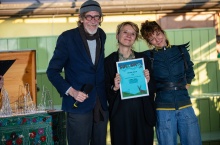
Today, at 8 p.m., we invite you to a Tête-à-tête conversation with Tamara Kotevska and Ljubomir Stefanov, the authors of Honeyland, this year’s festival hit nominated for Oscar. The online meeting will be moderated by the film critic Serhiy Ksaverov.
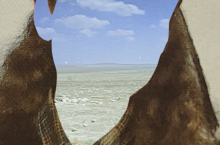
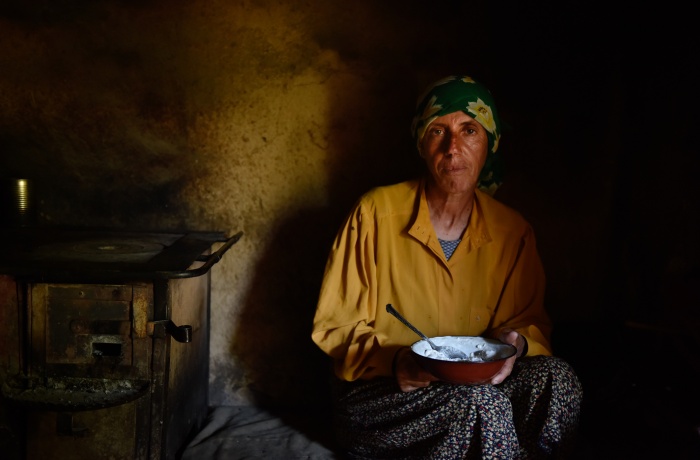
Born from a short film about life in a remote mountain village in Northern Macedonia, the film by Ljubomir Stefanov and Tamara Kotevska settled in the village and focused on beekeeper Hatidze who nurses a sick mother and produces wild honey. Hatidze's life changes dramatically when an itinerant family comes to the village. The joy of the neighbourhood switches to despair when strangers disrupt the everyday life of local people and kill wild bees from ignorance. This film-parable also has a didactic component. It reminds us all: you have to give as much as you take.
In a Macedonian village which is hard to reach by a regular car, Tamara Kotevska and Ljubomir Stefanov filmed with their two colleagues. In one of the interviews, they say the following about the shooting process: “And once we started going there, we realized once the subject in a documentary gets used to you, it’s not that easy to change a member from the team because they accept you like a member of the family. Any time we thought about bringing an extra person or maybe some cameraperson, if we invited them, it didn’t work, so we had to stick with just the four of us. And then the obstacle was how to bring supplies there because there’s nothing you can keep the supplies in. We were sleeping in tents and cats were eating our food all the time because there’s not a place to put it, so this was maybe the biggest adventure for us.”
Film critic Serhiy Vasyliev admits, “They turn a huge amount of footage into a dramaturgically aligned, structured, eloquent, and internally consistent story which resembles, and to some extent challenges, the cinema of fiction. Predictability, which can be seen as one of the weaknesses of Honeyland, relates to the fact that the film is not only a metaphor for the contemporary human attitude to nature, which leads to large-scale environmental crises, but also a parable demonstrating the inevitable and unpromising outcomes of this mode of interaction with the environment in a severe, Old-Testament style.”