More than 226,000 criminal proceedings related to war crimes have been opened in Ukraine, representing hundreds of thousands of victims waiting for justice. At the same time, the gap between their expectations and the actual capacities of the justice system continues to grow.
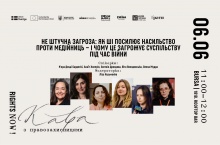
During the discussion, we will examine how this gap is formed and what role public communication plays in it. We will explore how the media, human rights advocates, and the government shape public understanding of accountability for war crimes and other international crimes, and what is simplified or lost in the process.
We will also focus specifically on the perspective of survivors: what justice means to them, how their expectations relate to the capacities of the justice system, and what factors beyond the court process influence the feeling that justice has been achieved.
This is a conversation about the limits of justice in wartime — and about how to speak about them honestly, without illusions, but also without cynicism.
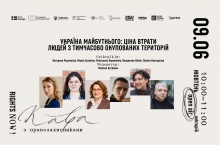
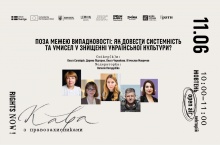
Speakers:
Nataliia Humeniuk, journalist and co-founder of the Public Interest Journalism Lab and The Reckoning Project;
Kateryna Busol, Head of the Ukraine Programme at the International Centre for Transitional Justice (ICTJ) and Associate Professor at the Kyiv-Mohyla Academy;
Oksana Rasulova, author of the MIHR analysis How Victims See Justice.
Moderator:
Stanislav Miroshnychenko, Executive Director of the Media Initiative for Human Rights (MIHR).
Organisers:
Media Initiative for Human Rights and NGO Docudays.