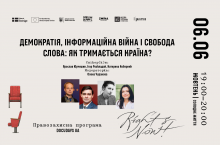
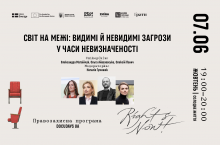
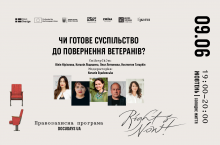
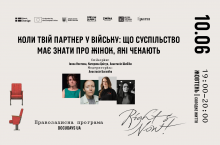
Almost one fifth of Ukraine’s territory is under temporary occupation by the Russian Federation. But this is not only about square kilometres, it is about hundreds of thousands of people who have been forced for years to live under conditions of systemic control, pressure and isolation, under the threat of persecution, imprisonment and violence. It is also about an entire generation of Ukrainian children raised on Russian propaganda.
They are Ukrainian citizens, and the future of the country — its demographic, economic and security capacity — depends on whether we are going to hear their voices, fight for them and defend their rights.
Why are we speaking less and less about the people on the other side of the frontline? To what extent does life under occupation differ from our perceptions of it, and why are simplified approaches dangerous? Why do state policies often fail to keep pace with the complexity of this experience? Where is the line between survival and collaborationism, and how can we avoid losing the most important thing — our citizens — in the effort to protect the state?
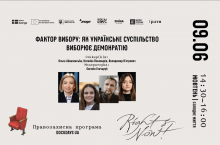
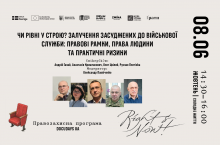
To bring the issue of people living under occupation back into public discussion and make their experiences visible, NGO Docudays is launching the information campaign Being Present, dedicated to Ukrainians in the temporarily occupied territories, their rights and their inclusion in the social context.
Speakers:
Volodymyr Yavorskyi, Programme Director of the Centre for Civil Liberties;
Darya Kasianova, Chair of the Board of the Ukrainian Network for Children’s Rights civic union;
Yaroslava Sementsova, analyst at the Regional Centre for Human Rights;
Aliona Lunova, Advocacy Director at the ZMINA Human Rights Centre;
Anastasiia Bahalika, Director of the Human Rights Department of NGO Docudays.