We are continuing our series of interviews with the creators of Ukrainian feature-length films to share the stories behind the creation of this year’s festival programme. Read our conversation with Olga Chernykh, director of the film The Illusion of a Quiet Night, which is taking part in the DOCU/UKRAINE competition.
How did the idea for The Illusion of a Quiet Night come about? In particular, the idea of bringing together the nighttime experiences of very different people across the country.
We conceived this project together with artist Maryna Brodovska, and from the very beginning the film was intended to be an artistic act as well — a kind of happening in which anyone who wished could become a co-creator of the film. In this way, we wanted to document this strange new Ukrainian night during the war. The very idea of focusing on a single night allowed us to create a genuine sense of parallel lives, to show the multifaceted reality of the present day: how Ukraine lives, how it fights, how it breathes. The experiment succeeded: together, we captured a snapshot of it. And despite these dark times, it is filled with light and warmth.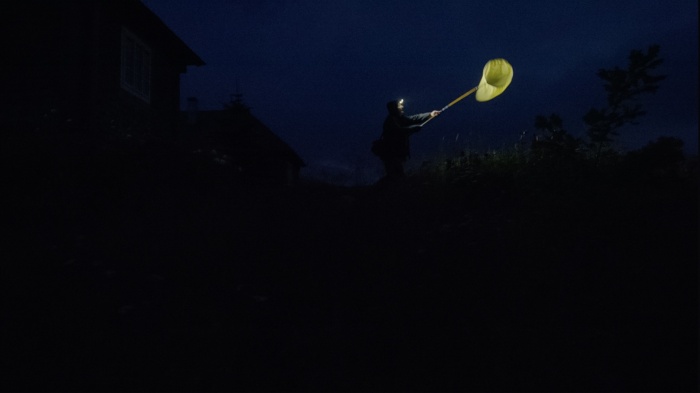
Which period of the night turned out to be the most extensively documented in the submitted videos?
We did not deliberately count the videos hour by hour throughout the night, but if we speak specifically about the footage submitted through the open call, a great deal of material was filmed during the air raid and before curfew, because it was a summer day, a weekend evening, and people were documenting their lives, sharing their thoughts, singing, joking.
Professional cinematographers were also involved in the filming — what tasks/plans did they have? What was important for you to capture? What interested you most?
Yes, we involved 42 cinematographers, each of whom had their own task, character, location, or several locations that they filmed for approximately 12 hours. Everyone had an action plan, a list of potential scenes and shots that could be captured. With some of them, we carried out physical location scouting, walking through the area together before filming and deciding exactly what we would shoot. But with absolutely everyone, we discussed the kinds of situations that might arise, what they should pay attention to, and how to film a particular person or location. The preparation was extremely meticulous. I had a very clear visual vision and requests for the cinematographers regarding exactly how things should be filmed. Almost everyone shot on the same camera with a similar set of lenses. So, together with the professional cinematographers, we tried to create a unified visual approach to the film in a certain way.
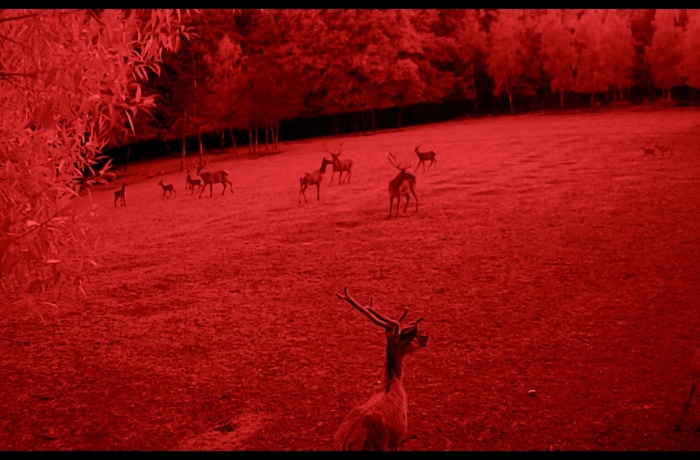
It was important for me to cover the whole country: from the frontline to calmer and more remote places; to film both large cities and district centres and villages; to document different spheres of life and to show how nature lives.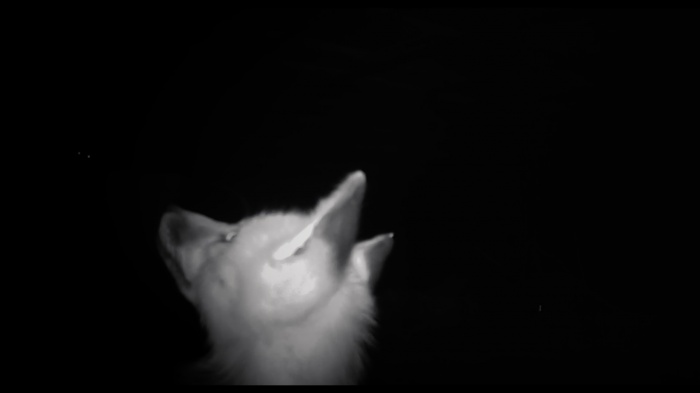
What proved to be the greatest challenge while working on this film?
The editing. It was very, very difficult. First of all, because of the deadlines we had and the amount of material. Another challenge was that I was not present during the filming, so essentially all of the footage was unknown to me. On top of that, we received videos over the course of several months, because the material filmed by the military on the frontline had to undergo clearance checks, and in some units this took a long time. For example, the final shot of the film only reached us sometime in October, when we already had a fairly good rough cut.
And what was the greatest discovery?
Probably the thing that pleasantly surprised me most was how many people were willing to take part in and contribute to our project. We were worried that there would be very little material, that people would not register, but in the end a great many people responded and wonderfully supported this idea. The videos people submitted mostly focused on tender, intimate moments, family, and love. The whole idea of this open call was precisely to bring that sincerity and closeness to people into the film. When we began this process, we did not know what to expect from the open-call videos, but we received a huge number of them, and they were wonderful, honest, heartfelt.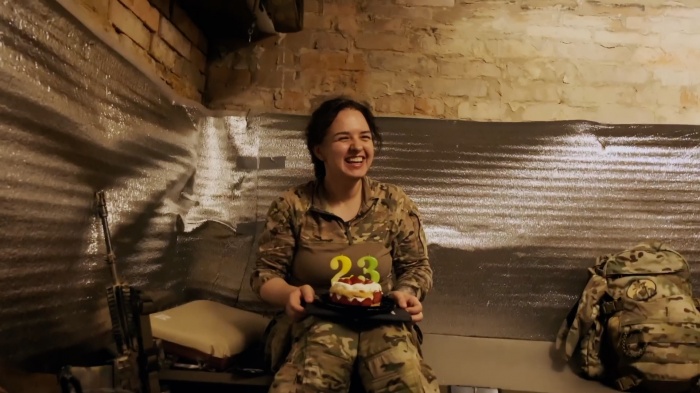
Photos: stills from the film The Illusion of a Quiet Night
The 23rd Docudays UA is held with the financial support of the European Union, the Embassy of Sweden in Ukraine, and the State Film Agency of Ukraine. The views, conclusions, and recommendations expressed do not necessarily reflect the views of the European Union or the governments of these countries. Responsibility for the content of this publication lies solely with its author(s).