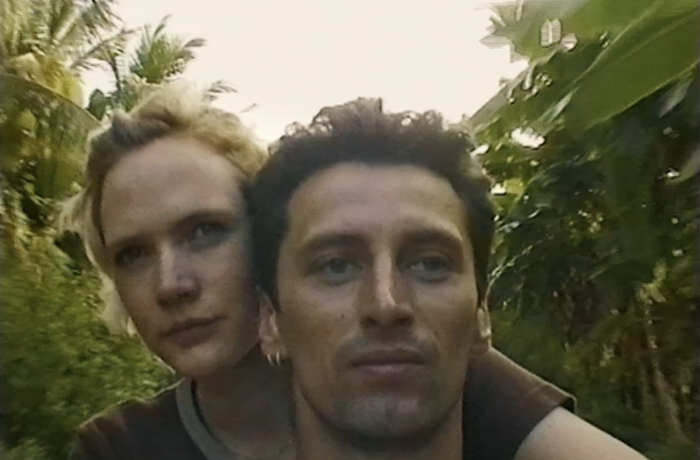
This year’s DOCU/ART selection, curated by festival programmer Olga Sydorushkina, centres on the intersection of everyday life and art.
During the full-scale invasion, both in Ukraine and abroad, conversations have continued about whether art can shape reality, alter the course of events, and inspire people to act or to reconsider their role and civic stance. We have moved from a state of shock, when art seemed to lose its meaning, to perceiving it as a tool of cultural diplomacy, a practice of collective healing, and a space for reflection. Art cannot shield us from enemy attacks or change the world, but it can help us to recover and offer respite. This year’s DOCU/ART programme explores how cinema, artistic practices, and poetry intersect with everyday life and infuse it with creativity.
Redlight to Limelight literally examines the therapeutic power of art, questioning whether it can truly change lives and how much effort and courage this requires. This somewhat melodramatic film tells the story of CAM ON, a collective of amateur filmmakers comprising nearly 500 sex workers and their children living in the red-light district of Kalighat, India. The director, Bipuljit Basuis, is himself the son of a Nepali woman who was sold into the sex trade by her uncle at the age of twelve. Together with locals and other members of the community, he is now making the film Nupur: A Tale of Two Sisters, based on the harsh and painful stories of women from the neighbourhood. We witness the creation of Nupur — from the search for funding, casting, rehearsals, and filming to the festive premiere day, which becomes a healing moment of fulfilled dreams and a unique experience for the entire community. 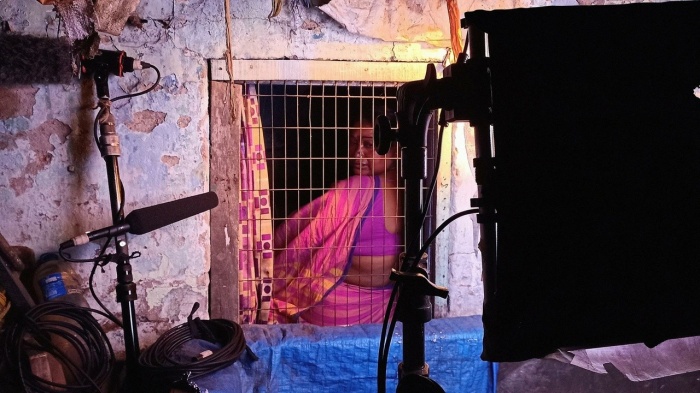
A still from the film Redlight to Limelight
It is impossible not to be moved by the resilience of these women, who, without losing their dignity, recount their stories to write a script. They embody on screen the pain and injustice they were forced to silence for so long. Cinema becomes a form of collective therapy — what at first seemed a naïve dream ultimately transforms their lived experience.
Can poetry be filmed? Or the moment when childhood ends? The slow, meditative film by Chinese director and cinematographer Deming Chen seems to capture the intangible: in his Always, poetry lives between the frames. It is present on screen in the form of elegant calligraphy, with the refined lines of eight-year-old Gong Yubin’s verse appearing throughout — sometimes commenting on the images, at other times with the visuals serving merely as illustrations of the poems.
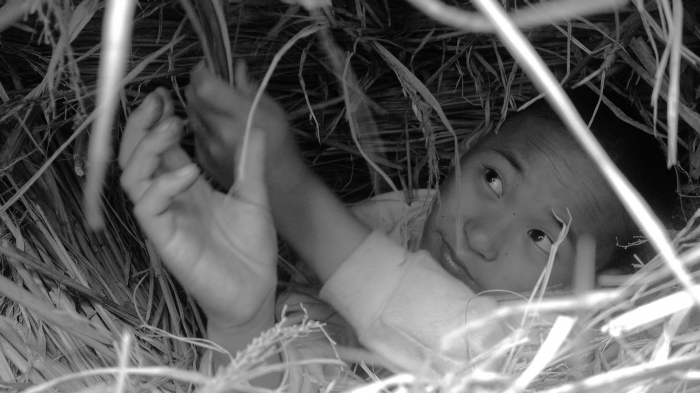
A still from the film Always
Over six years, the director observes a gifted boy whose academic achievements intertwine with gruelling daily labour and a life of poverty in a small mountain village in southern China. The enchanting, inspiring world of nature, wide horizons, and picturesque landscapes contrasts starkly with exhausting work, the ugliness of deprivation, and a pervasive sense of inevitability. The entire film is built upon this dichotomy: the first part is intimate, black-and-white, and shot in 4:3 format, while the second is in colour, widescreen, and more detached. The viewer, like a witness, observes how elusive creative inspiration, solace, and the hope of childhood imagination gradually give way to the reality of adult life.
The film became a festival hit, winning the main DOX:Award at CPH:DOX and the top documentary prize at the Camden International Film Festival (CIFF).
Love — 22 — Love is a profound self-portrait of the artist, a declaration of love and a bold dance with his demons. Jeroen Kooijmans candid film explores personal struggles with mental illness, artistic life, and marriage. 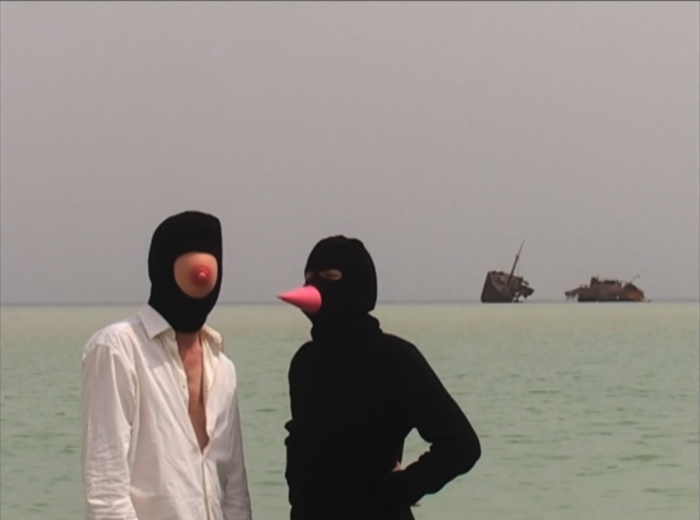
A still from the film Love — 22 — Love
There are artists whose lives themselves become art, who draw no boundary between creative practice and personal biography. Their passionate movement takes the breath away, yet maintaining balance proves immensely difficult. The film opens with a psychotic episode experienced by Jeroen Kooijmans in New York in 2002 and extends across nearly three decades, built upon personal video diaries and exploring his own “story of illness and healing”.
Main photo: a still from the film Love — 22 — Love
Love — 22 — Love is dedicated to the filmmaker’s wife, Elspeth Diederix, who has remained his steadfast support throughout the years. It is a subtle exploration of the complexities of relationships and parenthood in the context of living with depression, yet at its heart lies a journey of self-discovery, acceptance, and reconciliation with vulnerability. A personal, authentic, and at the same time universal story, told with poetry and sincerity.